

Attic Insulation Top-Up
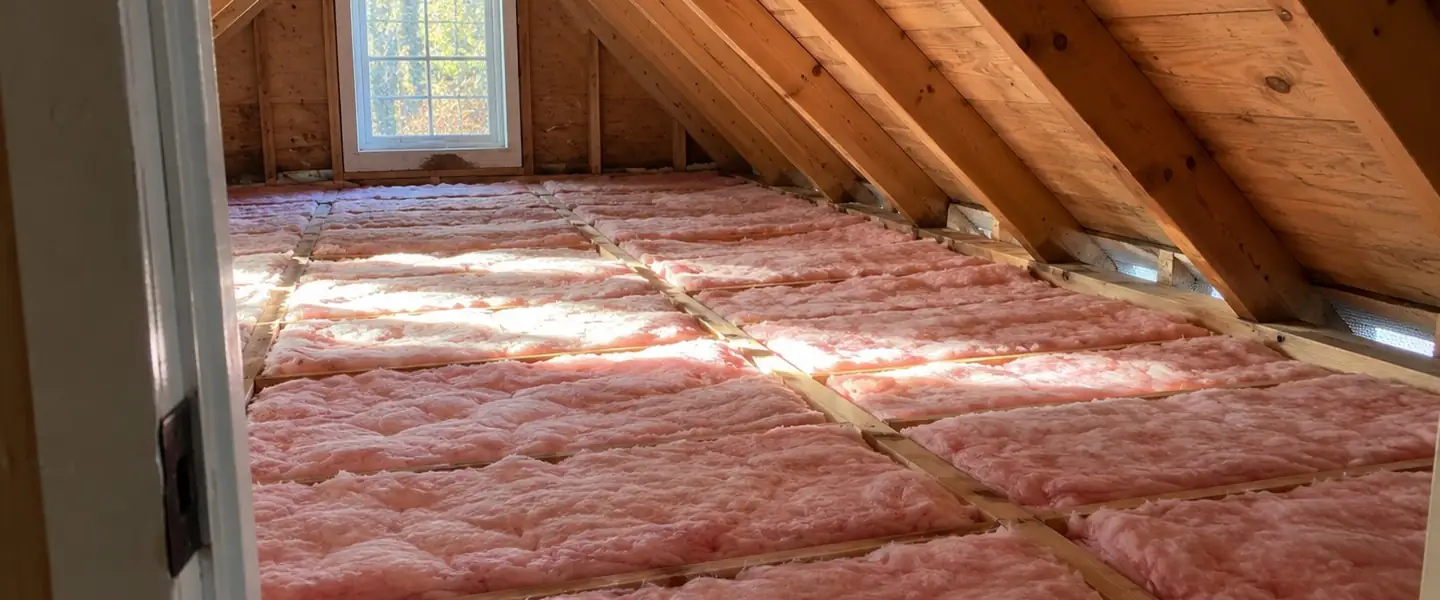
An attic insulation top-up builds a new layer of loose fill over the old one, bringing a shallow attic floor up to R-60.
How a top-up worksCaledon Attic Insulation provides attic air sealing, blown-in cellulose, attic insulation top-ups and the removal of worn-out insulation to homeowners in Bolton, Caledon East and the villages of Caledon. All the work we do is fully insured. Older and century homes get a slower, more careful attic inspection before any number is written down, and that inspection is free.
Phone (289) 210-8354 to book a free attic inspection.
A farmhouse built in the 1890s and a Bolton house built in 2005 need very different attic work, and we plan each one on its own terms. In an older home we budget extra time on the inspection. Framing, wiring, the old fill and the paths that warm air takes up through the walls all get looked at before we recommend attic insulation of any kind.
The slower visit shows up on your attic insulation estimate. Your written estimate names the material, the finished depth, the R-value and each sealing job, so nothing on the bill is a mystery. A newer house gets the same level of detail, just in less time. Read how we handle older Caledon houses, or write to us about your attic and we will phone back with a few dates to choose from.
Every attic insulation job in Caledon comes with these five promises, whether the house is new or a century old.
Open any service below to read how the work is done and what it tends to cost in Ontario.
An attic insulation top-up builds a new layer of loose fill over the old one, bringing a shallow attic floor up to R-60.
How a top-up works
Blown-in cellulose insulation lays one continuous blanket across the attic floor and reaches into every corner, in new and old houses alike.
How cellulose is blown in
Century home attic insulation starts with a longer inspection, because a house past its hundredth birthday hides problems a newer home never has.
Details for older homes
Attic insulation removal clears away fill that is soaked, mouldy, flattened or fouled by mice, squirrels or raccoons, leaving a clean attic ready for sealing and new material.
How old fill is removed
Attic air sealing plugs the small openings where heated room air escapes upward through the ceiling, and it opens every job we take on.
Where the leaks get sealed
Ice dam prevention is most effective from inside the attic, where the goal is a roof deck too cold to melt the snow sitting on it.
How ice dams are stopped
Cathedral ceiling insulation goes into the thin space above an angled ceiling, where there is no open attic floor to work from.
Options for sloped ceilings
Ontario's attic insulation rebate is one stream of Home Renovation Savings, a program Save on Energy and Enbridge Gas run together, and it refunds a share of the bill once an attic reaches R-50 or more.
Rebate routes and amounts
Attic insulation cost comes down to four things: attic floor area, the depth already there, the material chosen and whether old insulation must come out first.
Price ranges by jobBedrooms tucked under the roof hold their warmth through a February cold snap.
Furnaces and boilers run less once the attic insulation is deep enough, a saving felt most in homes that burn propane or oil.
Summer heat stays in the attic, so the second floor is easier to cool in July.
Sealed ceilings stop humid indoor air from freezing on the underside of the roof sheathing.
A colder roof deck melts less snow, so fewer icicles hang from the eaves.
Thick attic insulation overhead softens the sound of wind and hail on the roof above the bedrooms.
Attic insulation in a century home only pays off once the hidden air channels are closed. Plenty of older Caledon houses were balloon framed, meaning each wall stud runs in one piece from the foundation sill up to the rafters. With no plate at the top, every wall cavity is open to the attic, and heated air climbs straight up through them.
Those open wall tops are blocked with rigid material and sealed from above before any loose fill is poured into the hopper. Plank attic floors, chimney chases and cracked plaster get the same treatment. The century home attic insulation page goes through every step.
A top-up is the answer when the attic has some insulation, just not nearly enough. Six to ten inches is common in Caledon attics, well under the R-60 level Natural Resources Canada recommends for this part of Ontario. With roughly four and a half feet of snow falling here in an average winter, a shallow attic shows up on every heating bill.
Fresh loose fill is blown over the existing layer until the whole floor reaches the target depth. Method and prices are on the attic insulation top-up page.
Blown-in cellulose closes the gaps that batts leave open. A batt is cut to one width, and joists in older attics are seldom spaced evenly, so every crooked joist, wire and pipe leaves a strip of bare ceiling behind.
Loose cellulose pours around every obstacle and forms one unbroken blanket of attic insulation. It is made largely from recycled newspaper, and a borate treatment helps it stand up to flame and pests. Depths, settling and prices are on the blown-in cellulose insulation page.
Knob-and-tube wiring still turns up in some older Caledon attics, and it is always looked at before any attic insulation buries it. According to the Electrical Safety Authority, this wiring can be safe as long as an electrical contractor has inspected it and it is kept in good repair.
If we spot it, you get a photo showing where the wires run, and that part of the attic waits until an electrical contractor has given it the all-clear. The rest of the attic can go ahead in the meantime.
Soaked, mouldy or droppings-filled insulation is cleared out before anything new goes in. An industrial vacuum draws the old material down a hose into a bag outside, so no dirty insulation travels through your rooms.
Vermiculite follows a separate path. This grey-brown, pebbly fill can contain asbestos, so a lab tests a sample before anyone moves it. A positive result sends the job to an abatement contractor, and new attic insulation is installed only after that crew has emptied the attic. See attic insulation removal for the full process.
Air sealing keeps warm, humid household air away from the cold underside of the roof. During a deep freeze that air leaves frost on every roofing nail, and the next thaw drips it back onto your ceiling. Attic insulation on its own cannot stop air that is moving.
We foam or caulk every pot light, plumbing vent, wire hole and interior wall plate, weatherstrip the hatch, and only then spread attic insulation over the top. Details are on the attic air sealing page.
Long icicles and thick ridges of ice usually mean house heat is reaching the roof. Snow on the warm upper slope melts, trickles down and freezes again over the cold overhang, and the frozen lip then holds back meltwater that can work under the shingles.
Ice dam prevention begins inside the attic, with sealing, more depth and open air paths at the eaves. The ice dam prevention page lays out all three steps.
Rooms built into the slope of the roof have no room for a deep pile of loose fill. Many farmhouses and village homes have upstairs bedrooms with angled ceilings and short knee walls, while plenty of newer homes have a vaulted family room.
Both need insulation sized for the thin space between ceiling and roof boards, plus a vent channel under the roof. The cathedral ceiling insulation page compares the options.
Every dollar of heat kept indoors is worth more when the fuel is propane, oil or electric baseboard. Much of Caledon is farmland and countryside, and many homes out there are beyond the reach of a gas line, so fuel arrives by truck.
For those houses we usually recommend taking the attic insulation all the way to R-60 instead of stopping at a partial top-up.
Home Renovation Savings, an Ontario program, can return money to owners who raise an attic to at least R-50. Its no-assessment route is limited to installers already named on the program's own roster. The assessment route begins with a home energy evaluation and lets you pick any contractor you like.
A house that burns propane, oil or wood can still qualify when it is connected to Ontario's electricity grid. The attic insulation rebate page covers both routes, as last checked in October 2026.
Topping up existing attic insulation typically runs $1.30 to $2.60 per square foot, while removal plus new insulation typically runs $3.25 to $5.75. Expect a minimum charge of about $1,100 on smaller jobs.
These are Ontario market figures, and your written estimate after the inspection sets the actual price. Every job is broken down on the attic insulation cost page, and the calculator further down gives you a quick figure.
A careful inspection finds the leaks and the thin spots, and the written estimate prices the fix for each one.
Start with a phone call or the form, and together we choose a date for the free attic inspection.
Up in the attic, we measure the existing attic insulation and look over the framing, wiring, vents and any old fill.
A written estimate arrives with photos and a separate price beside each task.
When work day comes, drop sheets go down, the leaks get sealed, baffles are stapled in and fresh attic insulation is blown until it reaches the depth on your estimate.
At the end we walk you past the depth gauges, clean the hatch area and write the final R-value onto the invoice.
Our attic insulation crews work in Bolton, Caledon East, Caledon Village, Inglewood, Alton, Palgrave, Mono Mills, Cheltenham and Belfountain. Caledon covers more ground than any other town in the Greater Toronto Area, and from its lowest valleys to its highest hilltops the land climbs over 800 feet.
All that ground holds every kind of house. Bolton mixes hillside subdivisions above the Humber River with older homes close to the main street. Villages along the Credit River and the Niagara Escarpment keep many stone and frame houses more than a hundred years old, and farmhouses dot the open country between them. Each of those house types calls for a different approach to attic insulation.
Choose a job, enter how many square feet your attic floor covers and a typical Ontario range appears. The free inspection later narrows it to one written price.
Treat these as provincial market figures, not a firm price. Existing depth, access and any removal shift the figure, and most jobs start at about $1,100.
Typical installed range
The inspection is free, and the estimate lists material, depth, R-value and each sealing task with a price beside it.
Mention when the house was built and which rooms run cold, and we will arrive prepared. Our phone line is +1 (289) 210-8354.
We take depth readings, look for open wall tops in the framing, check for old wiring and vermiculite, and look over the vents and hatch. In a century home that usually takes about an hour, and there is no charge.
R-60 is the level Natural Resources Canada recommends for an attic in southern Ontario. With blown cellulose that works out to about 17 inches, and the chart printed on each bag gives the precise depth.
Very little. Drop sheets cover the floors and furniture between the door and the hatch, and the loose fill travels in by hose from the blowing machine parked outside. The hatch area is vacuumed when we finish.
Not until an electrical contractor has inspected it. We mark where it runs, and the remainder of the attic can be finished while you set up that inspection.
Most attic insulation jobs can go on the calendar one to two weeks after you accept the written estimate. A top-up on an average house takes a single day.